
+
Fast survey starts
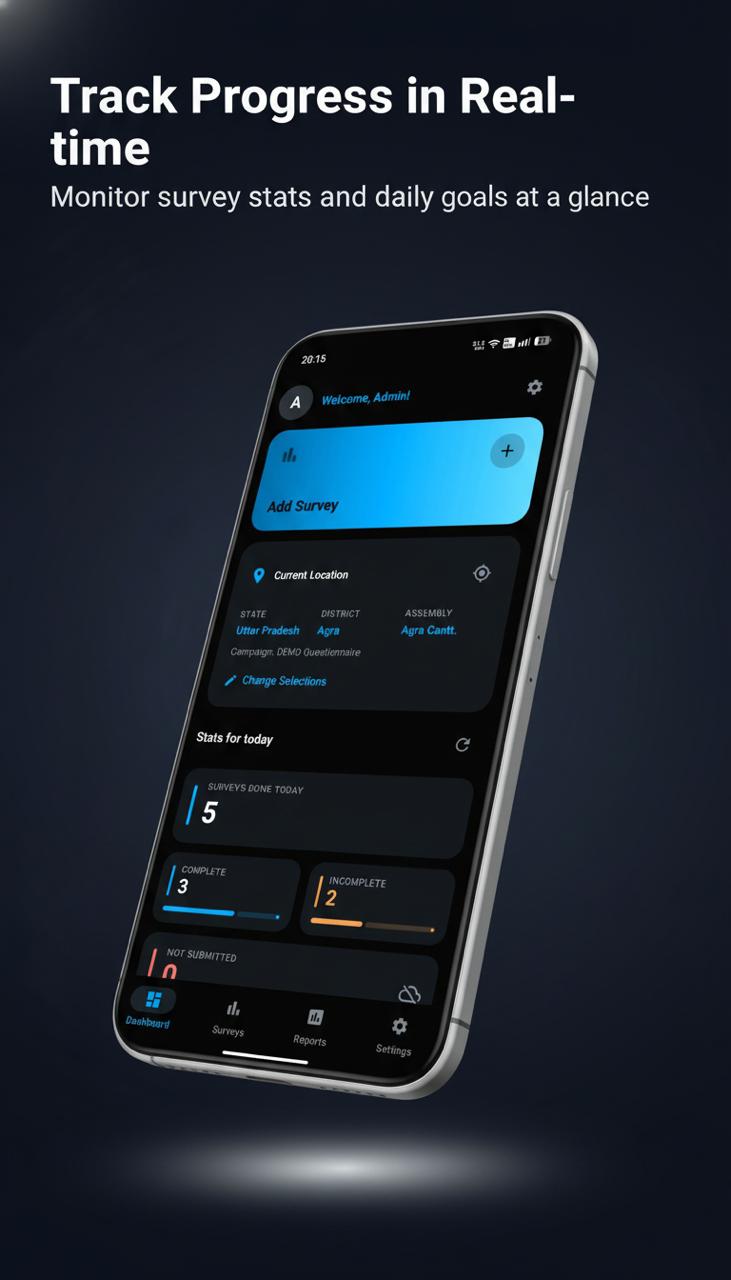
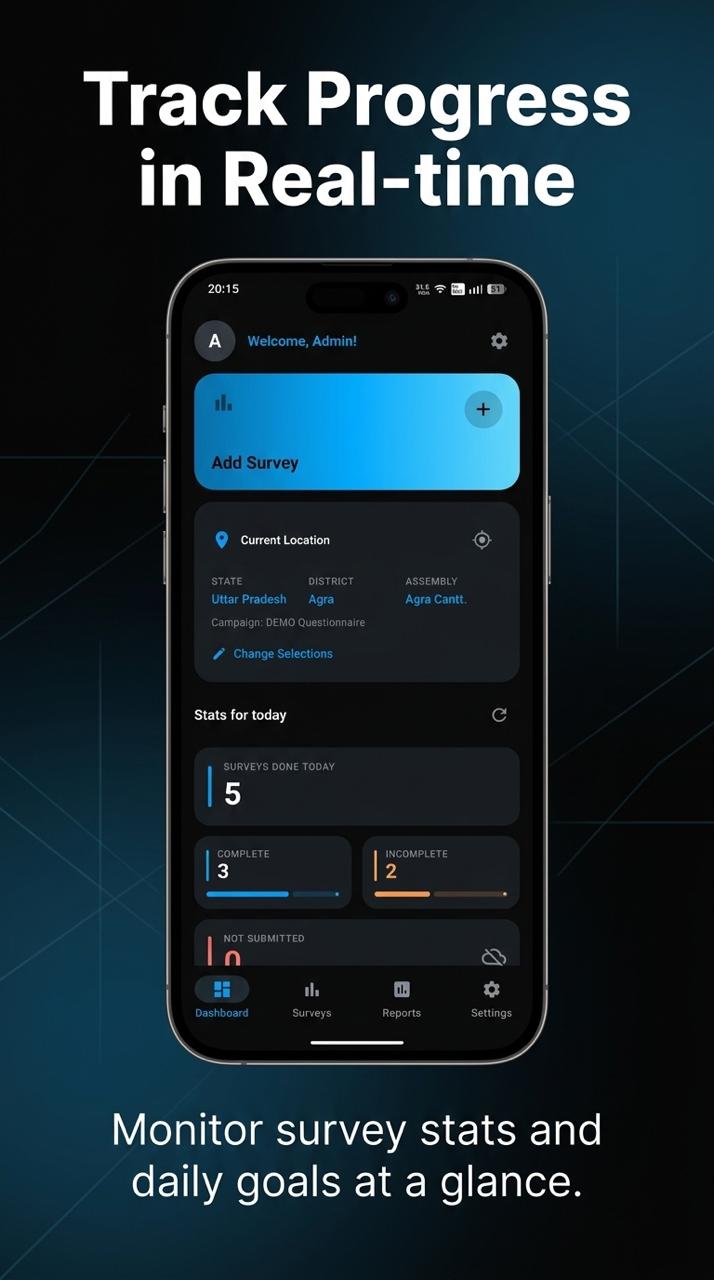
Add a survey from the dashboard, lock the current state, district, and assembly context, then move into data collection without paper handoffs.
Matrize's mobile survey platform turns field interviews into clean, location-aware, review-ready data: respondent details, consent, region setup, daily goals, and lifetime performance reporting in one field workflow.
The app focuses on the practical work of political and public-opinion research: configure a target geography, capture respondent information, monitor completion status, and keep consent visible before collection begins.
Add a survey from the dashboard, lock the current state, district, and assembly context, then move into data collection without paper handoffs.
State, district, assembly constituency, and campaign selection keep fieldwork tied to the correct local survey brief.
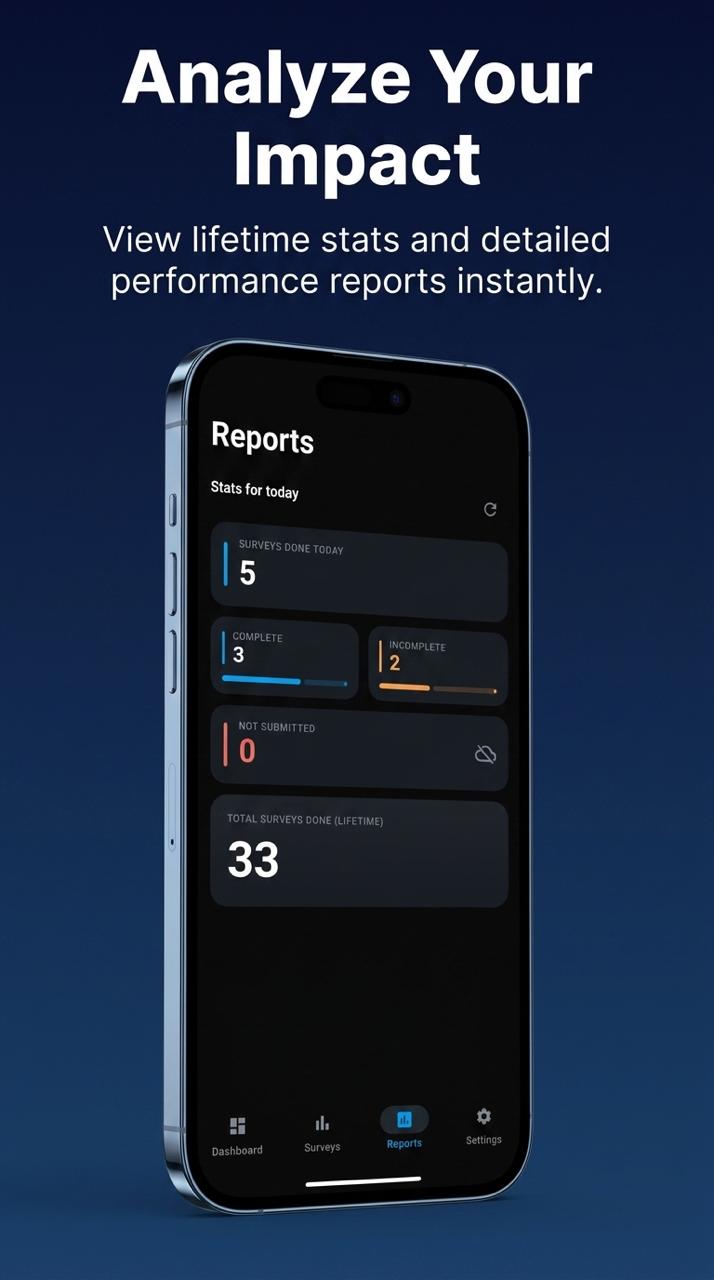
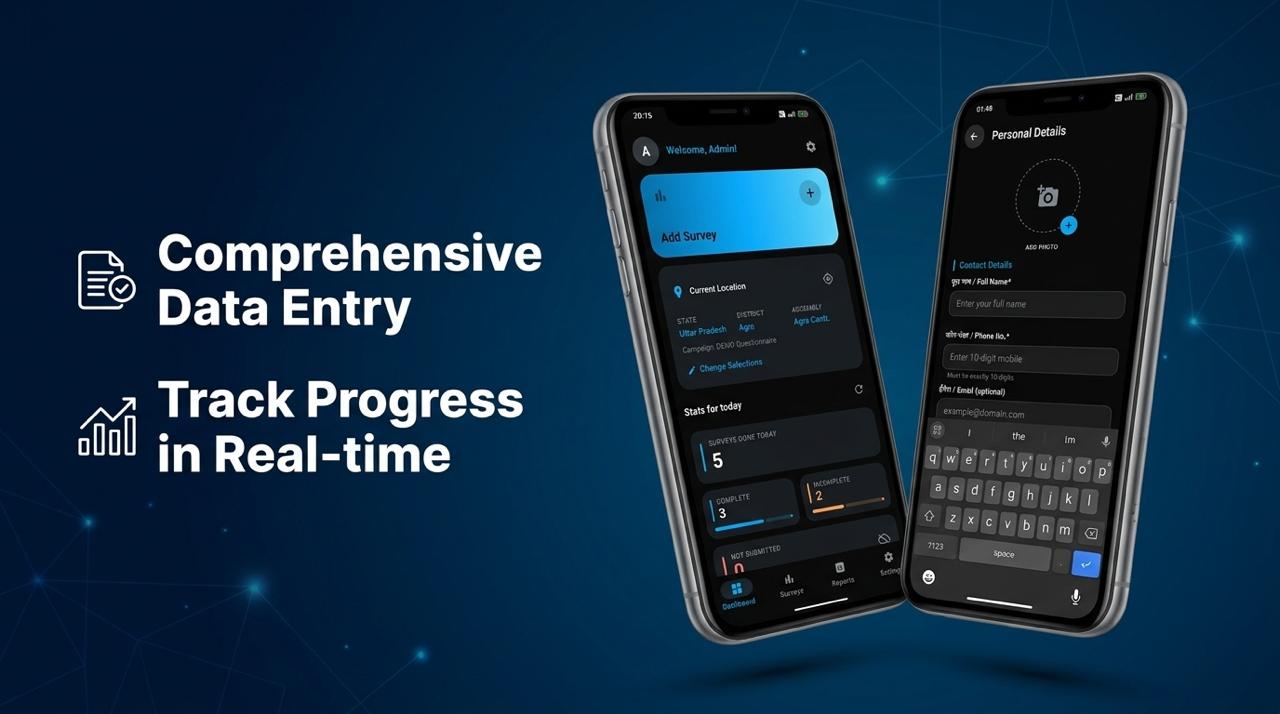
Daily cards show surveys done, complete, incomplete, not submitted, and lifetime reports for immediate supervisor visibility.
Respondents see the purpose of use, data collection notice, security rules, and contact path before participating.
Mobile app-based surveys help replace fragile paper forms with a structured, auditable workflow. Matrize describes its survey app service as a way to collect public opinion with more authenticity and accuracy than traditional hard-copy surveys.
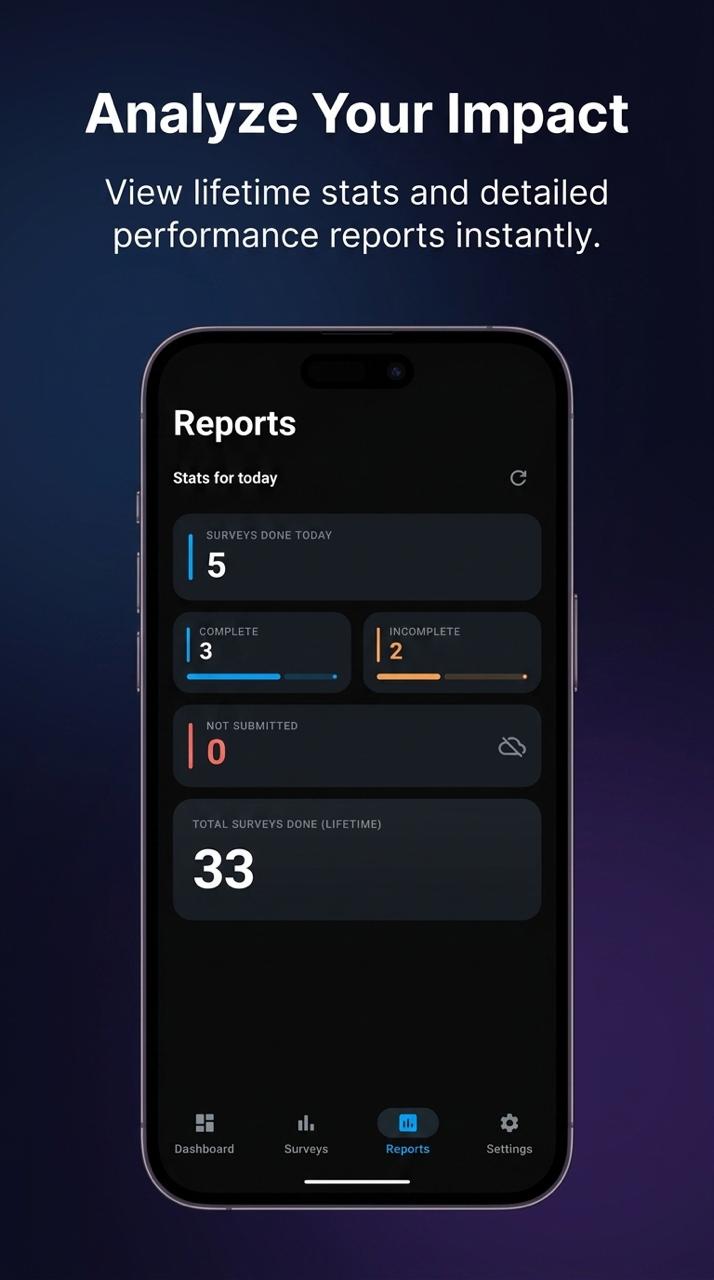
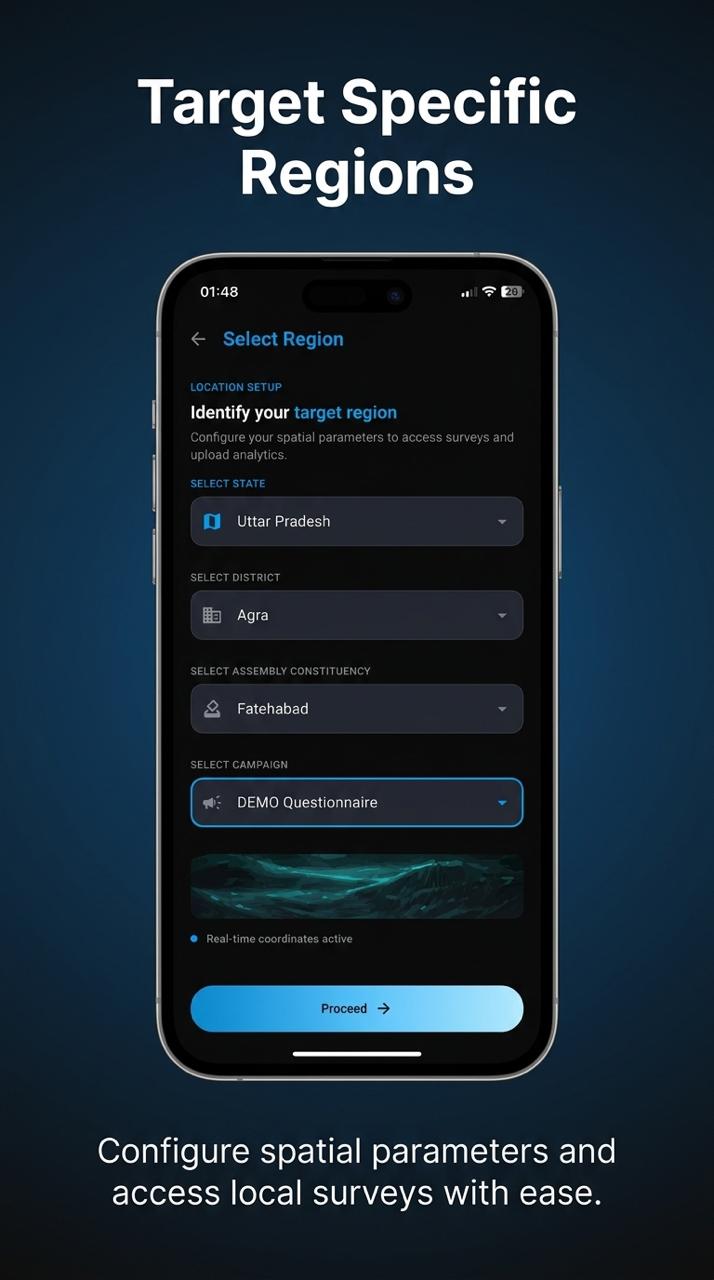
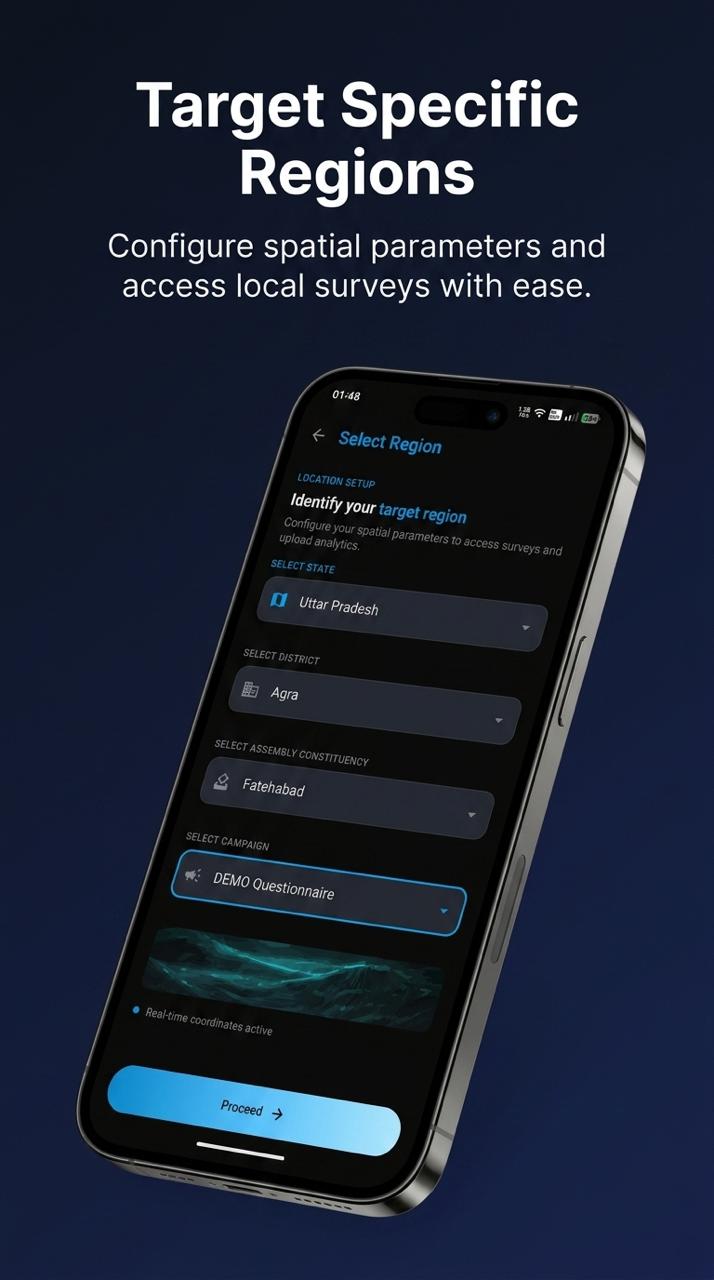
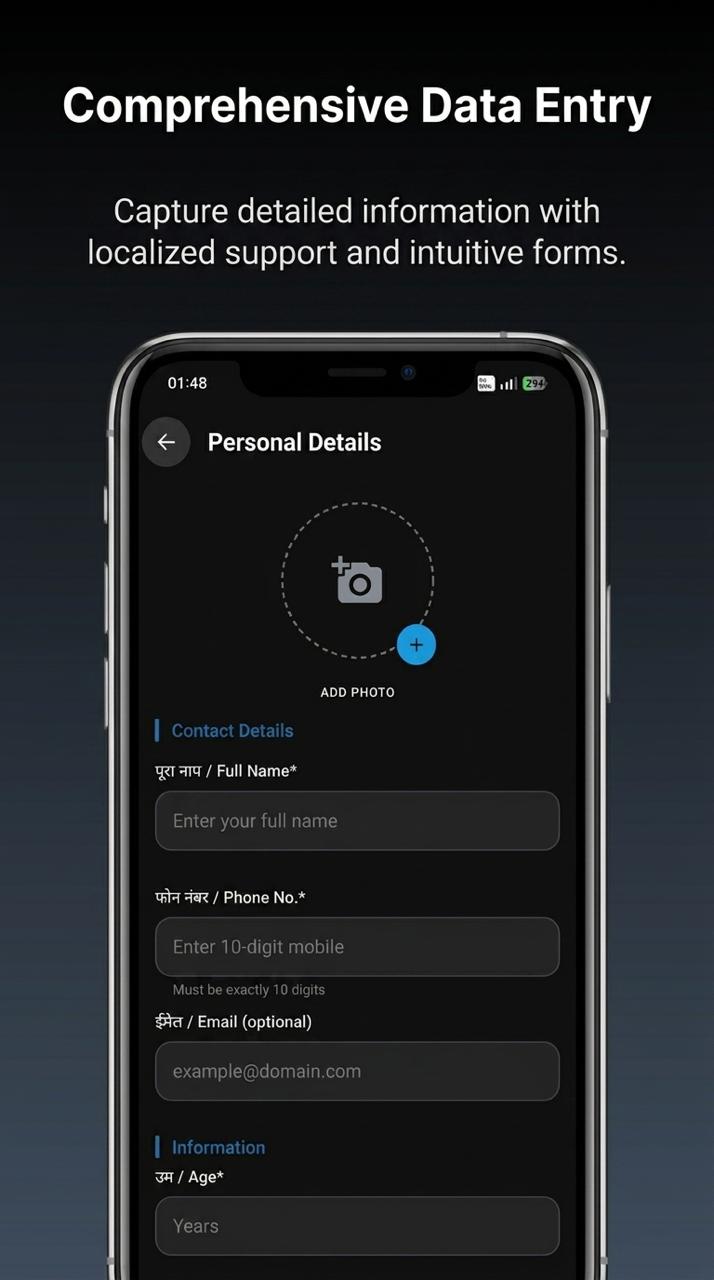
The screenshot set is arranged around what viewers need to understand quickly: the app captures detailed data, targets local regions, tracks progress in real time, reports impact, and keeps privacy prominent.
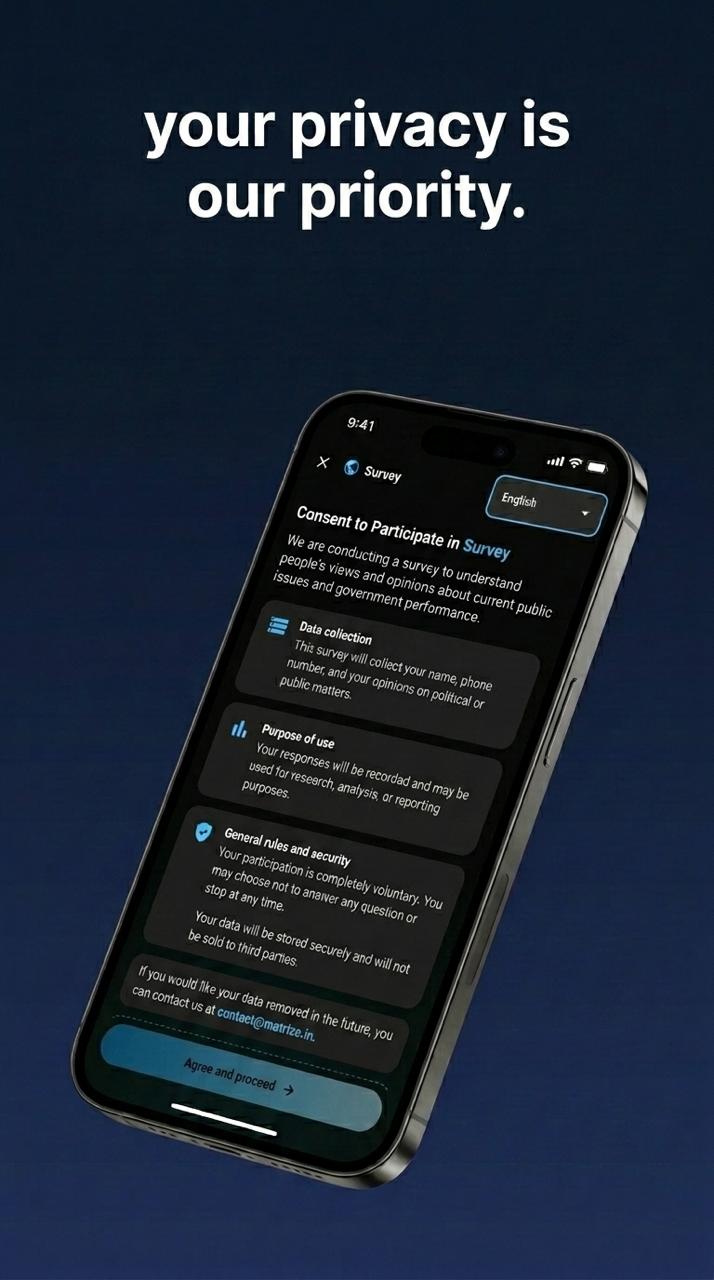
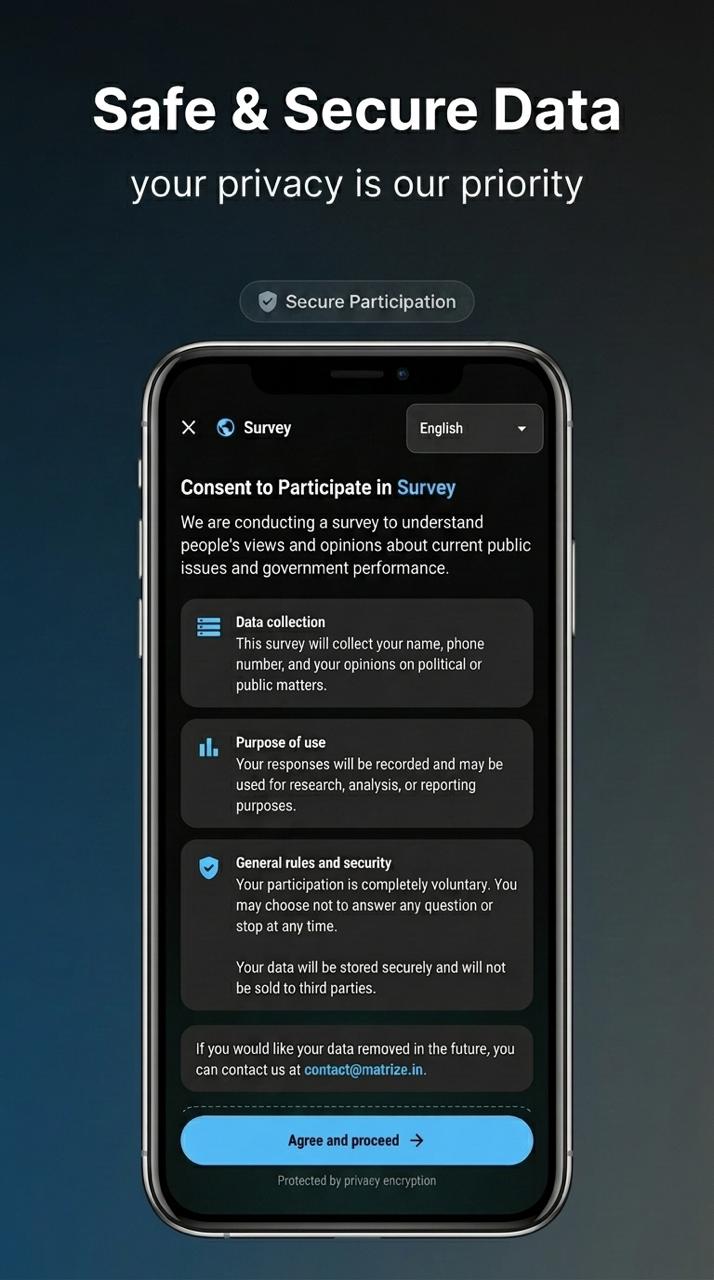
The app screenshots place respondent consent at the front of the survey flow. The privacy language states what data is collected, why responses are recorded, that participation is voluntary, and that data is stored securely and not sold to third parties.
For campaign research, constituency profiling, opinion polling, exit polling, or impact assessment work, Matrize can configure app-led data collection around your geography, questionnaire, and reporting cadence.
Commission a survey app study →